Archive for August, 2011

Doctors Can Treat Autism

Tuesday, August 30th, 2011

Just about every scientific and governmental organization is now in agreement that there really is an Autism epidemic in the US. As pointed out elsewhere, if it were merely the case that the diagnosis is just more noticeable, then where are the 1/100 autistic adults that should be walking around who went unnoticed? Any experienced teacher will agree that the explosion of children who exhibit speech and language delay, social difficulties and repetitive or compulsive behaviors is a new phenomenon. I am a physician who has been following up on the medical outcomes of children who were at high risk from prematurity, severe illness, drug and alcohol abuse, complicated births and HIV exposure. It was at Early Steps in Broward County, FL,  that I got to experience, first hand, this new disorder that we call Autism Spectrum.

By definition, epidemics in human beings are environmental (the flu, infectious diarrhea, radiation exposure, for example). People are not fruit flies, and our children did not genetically change in this century. In fact, I believe that it is just the opposite; that our fragile fetuses and newborns have the genetic background of 3 billion years during which time there haven’t been 85,000 man-made chemicals in the air, food and water. Simply put, our bodies cannot correctly eliminate offending agents and this results in our immune system going into overdrive. Somehow, this affects susceptible individuals – males (definitely the weaker sex), those with a family history of allergy or autoimmune disease, premature infants, siblings of children who already are affected – and instead of turning on the genes that create normal development, their bodies spend a great deal of energy on the toxic cleanup instead.

Why do so many conventional medical experts believe that autism cannot be cured? I’m sure that is because we are talking apples and oranges. The autism that was first described in the late 1930’s (as a psychiatric, not medical, condition) is simply NOT the same disorder that CAN be treated in today’s version.  Today’s affected children do not ALL show total isolation, severe disruptive behaviors, lack of eye contact or an inability to develop.

More importantly, many of the affected individuals who have the diagnosis of Autism today have lots of problems with gastro-intestinal symptoms which ARE amenable to effective, inexpensive and safe nutritional supplements such as probiotics and extra vitamins. Although improvement from special foods is a controversial issue, young children who demonstrate food sensitivities DO improve when offending agents are withheld from their diet. Many disruptive behaviors such as oppositional behavior and tantrums can be ameliorated by diagnosing and treating gut health in these individuals.

Additionally, when these simple interventions are combined with traditional therapies such as Speech & Language, Applied Behavioral Analysis, Occupational or Physical Therapy, the patient’s progress can become remarkable.

Regardless of what we call it, every child deserves early detection for this modern disorder so that early, safe, inexpensive and effective interventions are instituted in order to maximize an affected individual’s potential development.

Autumn Autism

Thursday, August 25th, 2011

Some of the most challenging times for ALL parents are 1) the end of the school year and 2) the beginning of the next school year. Is it really surprising, then, that children who are very used to routines, very anxious about new teachers, students and environments have a great deal of difficulty with the turmoil created each new September? (or late August here in the Sunshine State).

It’s Autumn Autism – the time of year when educational and social demands may sometimes exceed the developmental footing of an ASD child. Old, inaccurate or absent IEPs may frustrate teachers, administrators, children and parents. By the winter, many of these kinks will begin to work themselves out, but parents know that it will take their vigilance, determination and direction to get the school’s cooperation. Moving into spring, most families seem satisfied that their decisions have led to improvement for the children.

That being said, it is the time of year when theautismdoctor offers my two dollars worth of advice (inflation, plus I am a doctor):

  • Keep expectations low at first… the second week of school can even be more disruptive in states where the start of school precedes Labor Day. Remembering the challenges of previous years may make it a bit easier to demonstrate patience this time around.
  • It’s generally NOT the time to start new therapies or protocols, even if a product is called “Mr. Focus” and is guaranteed to help anxiety.
  • It’s generally NOT the time to decide to start new medications. Try to let the child settle in a bit longer to better assess the efficacy of any prescription medications that you and the doctor might be considering.
  • On the other hand, if the child seemed to improve on meds last year, and you gave your child a ‘drug holiday’ during the summer, it could be that you DO need to restart the medication.
  • If the child is very young and in preschool, therapies should be focused toward improving behaviors, socialization and transitioning over color-matching, reading or counting. Biomedical protocols should be continued during this time, even if they interfere with the educational expectations at this critical juncture in their autism disorder.
  • Sleep needs to happen – restart the melatonin as needed. This is a time when warm Epson salt baths can do some real good.
  • Mornings are very chaotic –  it’s nothing new. Try to remember what may have finally worked last year (checklists, calendars, social stories) and give that a try.
  • Cooties, cooties everywhere. Watch for head lice (head banging, scratching or a new head ‘tic’), pinworms (lots of bottom scratching), and EXPECT at least a couple of colds – and try NOT to treat URIs with antibiotics unless absolutely necessary. Also, in the last couple of weeks I have examined 3 patients who had parasitic infections that were possibly acquired on their summer trip.

Getting back to school blues – it takes it’s toll, but you may miss it when the kids move on.

As always, I invite suggestions from the peanut gallery. Feel free to reply with your wisdom and advice.

Autism Advice from a Real Doctor

Thursday, August 18th, 2011

Yesterday, I examined a beautiful little 32 month-old girl who appeared moderately challenged by her autism. By watching the child and listening to the parents’ story, I became fairly certain that there were biomedical interventions that would have a positive effect on improving the youngster’s health which would ultimately lead to changing her behavior for the better. That’s a mouthful, however I’m not so certain that the complex information that I’m trying to impart is always coming out of my mouth correctly.

So, there I was, defending my protocols and remedies (which the father had already acknowledged as leading the family to my practice) and I wondered, “Why do I feel so uncomfortable with my usual explanations?” The answer? Because modern views about autism, its cause, and cure, and even the epidemic proportions of the problem itself remain under question. When a patient is given protocol A or B to follow at home, it involves some very serious discussions which should lead to an understanding that the parent displays before this practitioner will let it go. Or, I won’t be as successful.

A physician is responsible for educating the parents of a juvenile diabetic about sugar levels, insulin injections, lab results, diet and activity. Complicated problems sometimes require complicated explanations. The family won’t be able to ask their local pediatrician about this type of therapy.  ASD is a complete mystery to many of those guys and gals. The neurologist claims that all complementary and alternative interventions for such a “genetic” disorder are useless. That might be true if the epidemic that we call Autism was the same disease that they read about in medical school.  The Internet represents a tangled web about ASD, for sure.

Here are some facts about the present state-of-the-art regarding medical autism interventions:

Fact: If autism is a medical condition, a medical doctor should be in charge of the recovery.

Fact: Just because “there is no literature to support” a given treatment protocol, doesn’t mean that it isn’t worthwhile.

Fact: Conventional therapies (especially behavioral) are the most proven methods of assisting recovery. We need to combine the various traditional and biomedical interventions in order to produce the best results. Any treatment that automatically excludes another – at this time of great ignorance – is, well, ignorant.

Fact: Some medicines don’t taste or smell very good. In fact, they’re darn horrendous. Kids don’t always know what’s best for them.

Fact: No one wants to give their child a ‘shot’. Parents do what we have to do.

Fact: There are negative behaviors that may initially result from many of the biomedical interventions. These include bowel and/or bladder problems, rashes, unusual or more disruptive behaviors, sleep disturbances or interference with traditional therapies or school. A competent practitioner can help the family through such trying times.

Fact: Once on the path to recovery, patients do not just ‘regress’ back into autism. When symptoms arise, the doctor should perform a thorough examination in order to understand the reason for the change in behavior.

Fact: It takes time to get your child on the path to improvement. The older and/or sicker the child is at the time of treatment, the longer and more difficult the journey. This is no mere platitude, rather an exhortation to work even harder to get help. I have found that patience really helps the older patients improve more than you think.

Fact: Curing your child is best discussed with a competent physician, not your neighbor. Not that your friends or co-workers aren’t well-meaning, knowledgeable or possibly even experienced, rather that they don’t carry the responsibility of their advice.

Fact: Speech acquisition is a great thing, not the only thing. Reading and mathematics should take a back seat to behavior and understanding as the most significant skill set leading to a productive outcome.

Fact: There are presently no autism pills, sure-fire protocols, chambers, IV fluids, secret potions or electronic devices that cure autism. Some of those therapies may offer profound improvements, some may carry more risk than others and some may drain your resources. That doesn’t mean that we can’t reverse autism.

Fact: Autism can be best managed by parents who find and listen to a trusted doctor who has proven results and who shows interest in your child’s progress.

Glutathione and Autism

Tuesday, August 9th, 2011

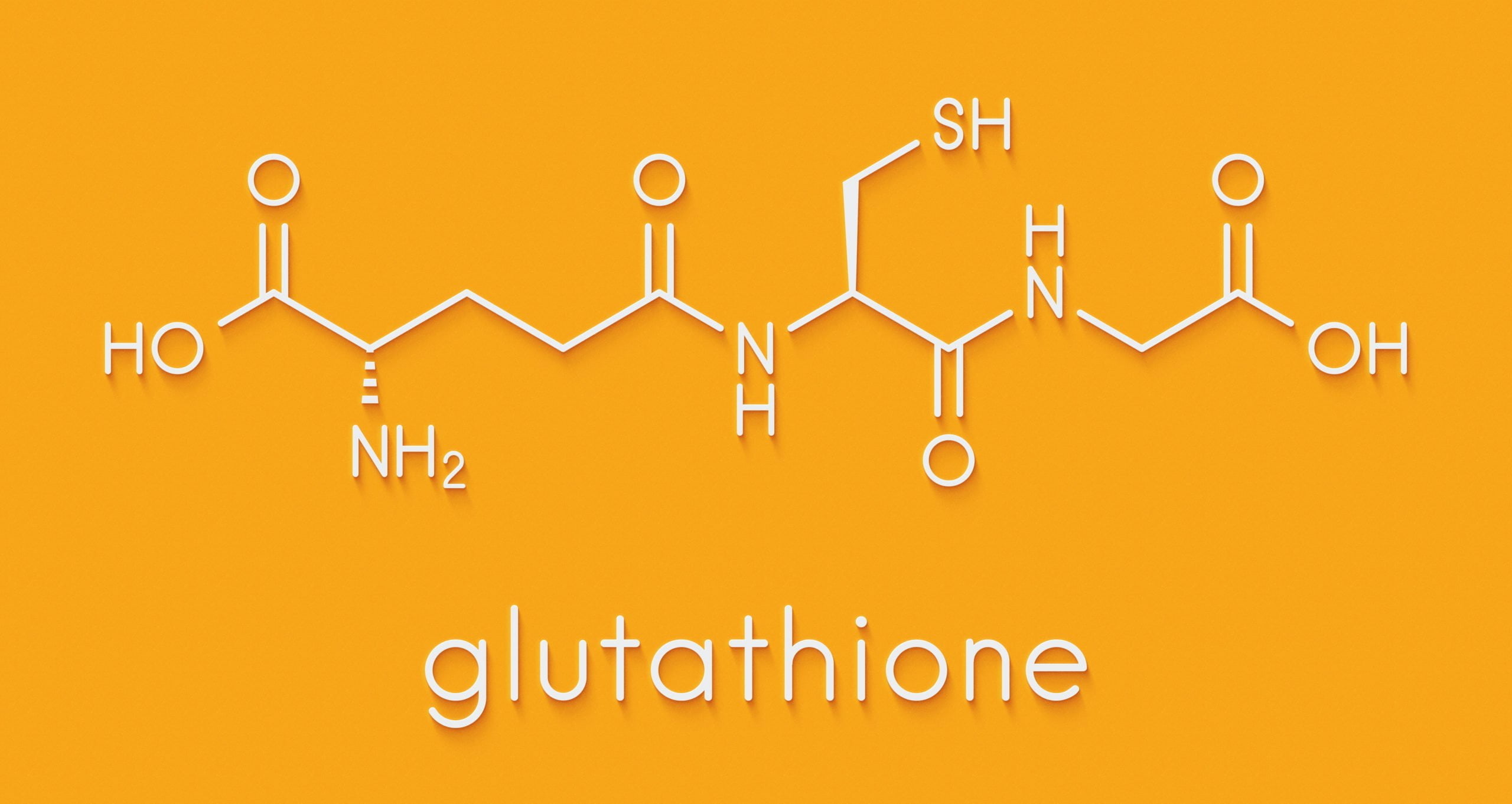
Glutathione molecule

Since 2004, Dr. Jill James, a University of Arkansas medical researcher, has been reporting about the differences in the levels and quality of an important compound, Glutathione, in typical children versus autistic individuals. Her important research has led to various discoveries which are used today by many biomedical practitioners to assist ASD patients in their recovery.

Any parent who has attended an Autism Research Institute lecture or searched knowledgeable Internet sites has been exposed to a complicated diagram which is used to display the metabolic pathway leading to GSH production. This is the basic information upon which DAN! doctors have been inspired to give safe, inexpensive and useful therapies such as methylcobolamine (B12), folic acid, methionine, S-adenosylmethionine (SAMe), DMG, TMG and cysteine (which all lead to an increase in glutathione levels) in order to lessen the effects of oxidation (think RUST) and promote healthy growth of new tissue in the gut and brain.

This post is about oral glutathione for autism, and what I wish to say is… the stuff really works! When I started including glutathione therapy in my practice, I really began to understand that many of the symptoms of the disease that we call autism (’cause today’s epidemic ain’t your grandfather’s autism) can indeed respond to simple, cheap, safe interventions. In fact, when our first patients began to demonstrate an increase in verbal activity, I asked the staff to stop saying “That’s amazing!” and start saying “I told you!” (which instills greater confidence, don’t you think?)

T=typical

A=autistic type

The Good – it’s inexpensive and only needs to be given orally. There are some practitioners who assert that the oral preparations are quickly broken down after ingestion. I’m not sure about that, but I have absolute proof that ‘good’ levels of GSH are increasing. I call it the AT autism test:  ”A” – for autism and “T” – for typical. When a neurotypical patient is lifted by the elbows, they resist the pull and so appear as a “T” (as in an ‘iron cross’ position). Autistic patients who haven’t enough glutathione do not resist the pull and so they form the letter “A” when tested in this manner. Perhaps the oral preparation simply supplies the building blocks of GSH, but, within weeks of instituting this treatment, a change will take place in the child so that the ‘AT test’ goes to typical. That observation is 99% sure in my practice. I’m not certain whether the increase in core tone affects the vocal cords, or it is merely a marker of increased neuronal activity. Importantly, within weeks of an increase in this reflex, there will be some qualitative or quantitative change in speech and language.

The Bad – The side effect of energy is… energy! This is why my practice employs a slowly increasing amount to help the patients adjust the dose as necessary. I usually initiate therapy with 100mg once a day and gradually increase volume and frequency. Additionally, there is a fair amount of web advice that the oral versions of the product promote yeast growth. It is for this reason that I test for yeast early and try to get any G-I problems under control before starting such intervention.

The Ugly – The oral liquid form of the product really STINKS. That is because of a sulfur molecule that is a attached to this unusual anti-oxidant. One of our parents even brought the bottle back because they thought it was “spoiled”.  Fortunately, it doesn’t taste as rank as it smells, however. While there are other forms of this substance, I do not find them to be practical (intravenous), equally as effective (creams) or easily tolerated (nebulized and inhaled, or rectal suppositories). The staff at The Child Development Center has been able to devise various methods to mix, hide, and otherwise sneak the potion into our unsuspecting patients.

Don’t try this at home. Just because a supplement is available without a prescription does not mean that it is non-toxic or appropriate for your affected child. Many times, I will address other symptoms (gut or behavior) before giving this valuable intervention. I am aware of its strengths, weaknesses, pitfalls and side effects. As in all things autistic, I advise getting professional diagnosis and treatment in order to obtain optimal results for your child.

Categories Archives Links Contact Us

Brian D. Udell MD
2751 Executive Park Drive
Suite 201
Weston, FL 33331
Office phone – 954-873-8413
Fax – 954-384-2287

Email bdumd@childdev.org
Website http://www.childdev.org

© Copyright theautismdoctor.com 2010.
All Rights Reserved