Archive for September, 2011

Melatonin for Autism

Sunday, September 25th, 2011

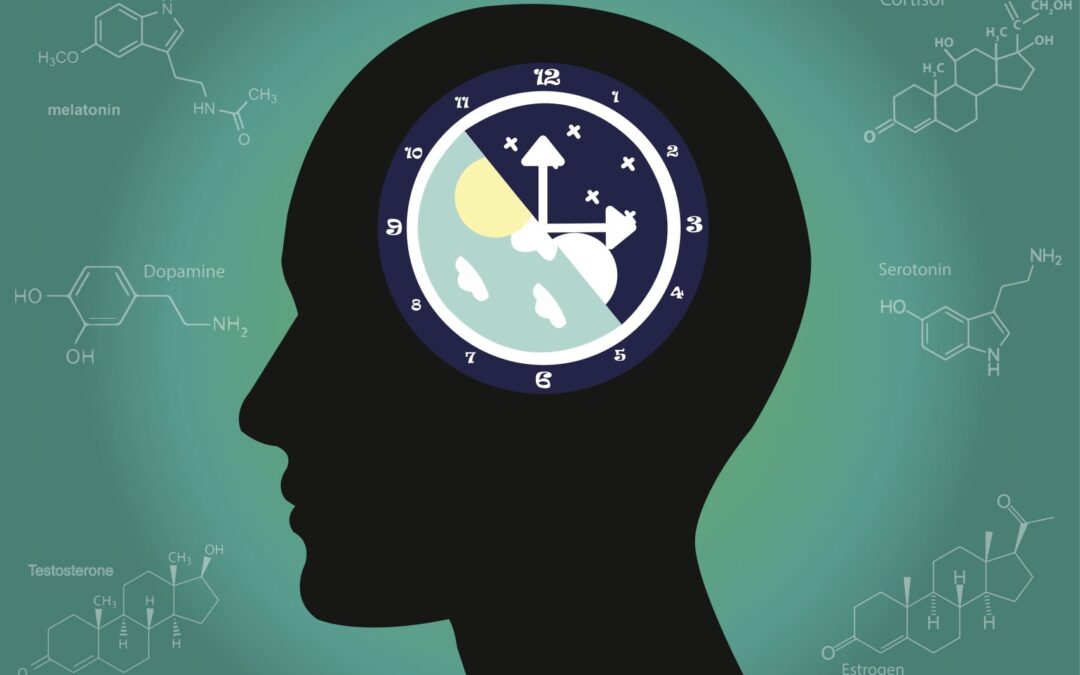
Pineal Gland - Where Melatonin is Produced

Of all the biomedical autism treatments, oral melatonin is one of the safest, most effective and least expensive. How is it that parents are so reluctant to take advantage of such a ‘natural’ therapy for their affected children?

“It’s a hormone.” Hormones are our body’s chemical messengers, and there are many. Insulin is a hormone that regulates the breakdown and distribution of carbohydrates. It appears that, in many of the versions of autism that I see in my practice, the body isn’t producing one or any number of hormones. For example, adrenaline is another hormone. Children who exhibit continuous signs and symptoms of ‘fight-or-flight’ appear to have too much adrenalin. Could ‘eczema’, which is common in ASD patients, be due to hormones? Steroids (another hormone) are often an effective therapy for that skin condition. Oxytocin (the so-called ‘love hormone’), which helps the uterus contract, is said to be low in ASD children, and is being evaluated for improvement in eye contact (and has engendered a cottage industry).

Even though pediatricians often fail to inquire about nighttime problems after infancy, sleep disturbances are the most common hormone-controlled activity that I document. So, it appears that melatonin malfunctions may be one of the most treatable conditions in autism. Research has shown that autistic children sleep less than their neuro-typical peers, and even those that DO sleep for an adequate period of time spend less time in REM sleep, which, among other benefits, is the mind’s time to cement the experiences of the previous day. Can your (verbal) child express what happened the day before?

My point is: there are very few medical interventions for ASD that really FIX an abnormality – most are ‘band-aids’ that address one or more symptoms. I believe that the evidence shows that nearly every autistic individual may get improvement from melatonin.

“I don’t want my child to get addicted to the medication.” Get real. Compared to most of the other treatments that parents are asked to foist on their affected child, this is a no-brainer. You can stop it anytime. More importantly, you should see melatonin as a valuable, proven biomedical intervention that doesn’t require professional evaluation and has reliable results. Are arthritis patients addicted to aspirin, or does the medication represent a valuable tool to control their autoimmune condition? By the way, melatonin is also a strong anti-oxidant and it aids the immune system.

“I heard that if you give melatonin, your body will not make it and so the problem will continue.” Who said? There are feedback loops to certain hormones, such as testosterone or estrogen. But melatonin is produced in the pineal gland – in the very center of our brains – and plays a key role in the body’s circadian rhythm. Regulation has to do with light exposure, sleep deprivation, time-zone variations and state of health.

“There’s a lot of bad stuff written about it on the Internet.” So what? You want potential problems, read about valerian root, which is also given for sleep disturbances. It’s not a hormone, but it contains more than seventeen different psychoactive substances. Many people consider ‘natural’ remedies to be safe. However, I have seen patients who exhibited negative reactions to many of its ingredients. Melatonin therapy is one of the best researched and most effective treatments of ASD that is available at this time.

“My child gets to sleep OK, but he wakes up in the middle of the night.” Yeah, definitely a problem. Here’s where a DAN! doctor can help, because of our experience with so many patients. Often, a dosage increase is successful. The long-acting preparations are effective, as well.  Sometimes, extra oral tryptophan, an amino acid supplement and precursor of melatonin, feels like a safe way to increase the child’s level when problems continue. Prescription medications are rarely required and then only as a last resort.

“Where does it come from?” Melatonin supplements are either synthetic or natural. They are chemically identical to the melatonin that is produced by the human body. Some people think that using the natural melatonin, typically made from the pineal glands of animals such as sheep, carries a greater risk of being contaminated by a virus. Therefore, the synthetic version is the most recommended and most popular form of melatonin.

“When / how do you give it?” I usually start with 1 to 3 mg. of the oral liquid given 1/2 hour prior to the desired bedtime. Carefully increasing the dose is recommended until the child displays a sufficient response – a good night’s sleep after a short latency (the time it takes to get to sleep). The most important thing, however, is to administer the medication EXACTLY the same time every night. The goal is not only adequate rest, but a more reliable daily bio-rhythm. Giving this supplement only “as needed” will pretty much assure that it won’t be an effective ASD therapy.

“What are the side effects?” Sometimes, at the onset of this therapy, there is actually a sleep disturbance characterized by apparently vivid dreams. I think of it as similar to a neuro-typical person who suffers from sleep deprivation, who subsequently suffers nightmares and the like. Also, there are previously toilet-trained children who experience nighttime bedwetting. I’m not sure if they are just undergoing some well-needed deep sleep, are detoxifying their systems, or it’s just peculiar to certain autistic individuals. Too much melatonin can produce sleepiness during daytime, feeling dizzy and getting headaches. Also, there are some drug interactions and medical conditions which could affect melatonin usage, so please check with your doctor and tell him or her if you are giving your child this therapy.

Did you ever get out of bed after a poor night of sleep and feel ready to seize the day? Perhaps you became cranky, had problems focusing or over-reacted to otherwise innocent remarks? Oh, and by the way, if your child sleeps better, so will you, and EVERYBODY’S stress level will be lowered.

Gluten Free Casein Free Diet for Autism

Sunday, September 18th, 2011

One of the more controversial autism treatments is a diet that excludes milk and wheat protein. This observation has been so strong in the complementary and alternative medicine community that the restricted diet is consistently listed among the top therapies which have assisted affected children with improvements in such key areas as speech and language, behavior, and even social development.

I could write about the history or scientific basis that has been the foundation of all dietary management of ASD, but let’s fast forward to today’s patients – your children – and answer the most common questions that I get asked regarding this effective, safe and relatively inexpensive, though sometimes difficult to manage, autism treatment.

1. “I tried that diet for 3 months and it didn’t work.” It’s 2011, folks. We no longer need to simplify and categorize food tolerance by blood type, scientific ‘theories‘ or astrological sign.

With food allergy testing, we can identify exactly which foods lead to the most inflammatory responses, whether it’s called ‘sensitivity’ or ‘allergy’ or food ‘intolerance’.

Modern Western science handles inflammation with anti-inflammatory agents – medications – which have lots of side effects, especially in children. Modern ASD is a whole body disorder in which the immune system makes antibodies against some of the most unlikely foods. I have children in the practice who are super-allergic to watermelon, who never touched watermelon. What is that about? My goal is to avoid any further inflammation. The bottom line is: the ‘offending’ foods didn’t cause autism, but they continue to provoke the body to waste energy and resources toward correcting some problem, rather than turning on the genes that lead to better brain development.

2. “The pediatrician said that research doesn’t support the diet” It doesn’t. As I have written in other posts, if you pick “non-allergic children” and try 1 month of a general restrictive diet in a diverse small population of children, improvement is difficult to document. Does that mean that ALL of the parents who have seen marked improvements are wrong, or that the research might be flawed? (If you are the AAP, it’s the former.) As referenced in answer #1 (above), if a parent attempts a GF/CF diet and the child is eating peanut butter at every meal – but is ‘allergic’ to peanuts – the diet won’t seem to work. Likewise, if you go from casein to soy milk, and the child is more sensitive to soy than casein, the diet won’t appear to work. Finally, if a child does NOT have a gluten and/or casein issue, the diet won’t be effective. I have witnessed all of these scenarios in my practice. Trust me, a diet is often successful when it is tailored to YOUR child’s findings.

3. “I hear that GF/CF costs a great deal of money.” While there may be a small increase in the cost of some foods, the situation is continuing to improve, not only with Internet availability, but even at your local supermarket. My compassionate and invaluable office manager, Karen, is always informing her local Publix manager about which GF/CF products to procure for the market, and comparing venues where the prices are most reasonable.

4. “My friends went crazy trying to keep their child on the diet.” That is why, the younger that you diagnose and treat your child, the more likely that you are to be successful. Older kids and teens will steal food, and may cheat whenever the situation permits. Importantly, as parents observe the improvements in their child, they often tell me how relatively easy it is to maintain this protocol. Also, modern medicine handles acute conditions much better than chronic (older patient) inflammation, so get it done now. Think about what happens to an arthritis patient’s joints over time, and decide when you will have the best opportunity to fix the problem; when there is acute swelling and inflammation, or when there is tissue destruction.

5. “My child won’t put up with the diet.” Since when did kids know what is best for them? Pizza is even available in a GF/CF form. What parent of a diabetic child says, “My child loves chocolate bars. I’ll never get him off candy!”?

6. “So, how long will our family have to keep up with this diet?” Dr. Dan Rossignol, a respected DAN! doctor and autism researcher, often jokes that “you know that your child has autism when it takes longer to order food in a restaurant than to GET it.” The short answer is that, in my experience, the diet will be found to be effective for 1-1/2 to 2 years. After that, parents don’t seem to really notice a difference and the allergy testing usually returns to acceptable ranges for most foods. One of my favorite answers, however, was the Mom who said, “I let him have the ice cream cone, and I PAID for that choice!” (with one week of disruptive behaviors).

7. “What will happen if my child eats one of the “forbidden fruits?” Usually nothing. Relaxing the plan can be very deceptive, however, and may lead to a false sense of security with more and more cheating. After a month or so, the parent is again complaining of inattention, lack of focus, or disruptive behaviors that could indicate inflammation or yeast overgrowth. Also, it’s not as if your child who eats a pretzel off the Disney concrete (yes, this has happened to several of my patients) will immediately regress to their previously more-autistic state. If the food is actually affecting the patient, observe how the child is doing one or two days after the incident. I prescribe the use of digestive enzymes – in a pinch, not for daily use – for those unfortunate children with the most restrictive diets.

8. “Does ‘gluten sensitivity’ mean that my child has celiac disease?” In my practice, I have found that, in ASD patients, there is a state of food allergy BETWEEN severe and none. I do treat a group of autistic children who also have celiac disease, which is a severe and unrelenting wheat protein allergy, leading to diarrhea, dehydration and hospitalizations, and requires specific medications for control. I may choose to send a child to the gastroenterologist for celiac testing when we are unable to control bowel and/ or behavioral problems with more ‘simple’ dietary restriction alone.

9. “Aren’t there studies that show that a restricted diet might not be safe?” First, any parent of an ASD patient (or most young children, for that matter) will tell you how picky the child is when it comes to volume and/or variety of foods. That’s notwithstanding any dietary restriction. Although the AAP claims “Available research data do not support the use… as a primary treatment for individuals with ASDs,” the only potential harm might come from the child lacking essential elements. That is why DAN! doctors take detailed histories about nutritional intake and supplement the child’s diet with various vitamins and nutrients that enhance general health.

10. “My (conventional) doctor doesn’t agree with anything that you are saying.” Look, I could say a lot more about how the AAP and today’s pediatricians, gastroenterologists, neurologists and allergists are totally missing the point about the modern epidemic that we call autism. It will take serious research that considers the individuality of ASD to demonstrate true efficacy from specific diets. What I can’t understand, frankly, is how the “danger” of such a diet is maximized, while the “side effects” of unnecessary vaccines or the overuse of antibiotics, for example, are minimized by most of today’s medical professionals.

Vitamins for Autism and Hyperactivity ?

Sunday, September 11th, 2011

Mention vitamin treatments for developmental problems and you will get plenty of raised eyebrows and non-believing looks. Well, first, if you think that ASD or ADHD are basically  genetic diseases that can’t be treated, such an intervention will certainly make no sense. Second, since the traditional medical community has spent so little energy or resources understanding nutritional intervention for anyone, especially children, a paucity of information on this topic for neurologically affected children will certainly follow.

There are other websites which explain how to evaluate the ‘correct’ intake of each vitamin, especially conceding the differences between RDA, RDI, and DRI. Suffice it to say that, at present, labels display nutritional information which informs a consumer how much of some nutrient is in a particular product compared to how much of said nutrient it takes to stay well, based on a 2000 calorie diet. Of course, that assumes a healthy adult individual, so the values don’t really pertain to most of my practice, or your children.

I have personally cared for many children from all around the world who have lived in absolutely the most abject circumstances. Places where austere would be considered a luxury. Even in the most impoverished conditions, or in the most hopeless children’s home, it takes a great deal of deprivation to create changes affecting the central nervous system. It’s called brain-sparing, which refers to the body’s resilience and ability to feed the brain, at the very least. Such youngsters develop symptoms, to be sure, called “Failure To Thrive”. Nutritional intervention and therapies have specific effects on these patients. However, their maladies are NOT the modern manifestations of ASD and ADHD that have affected 1/5 of today’s children.

Here’s what I want parents to understand: Eleven (yeah, right, 11!) Nacho Cheesier Flavored  Tortilla Chips provide half-a-meal’s worth of calories, a meal’s worth of fat,  and contain over 25 ingredients. MSG is listed in the top half. The ‘food’ contains artificial colors “including red 30, blue 1, yellow 5″ plus “natural and artificial flavors…” What does that mean? Well, for one, it means more glutamate (non-sodium monosodium glutamate), since the food industry is allowed to label it that way. This nonessential amino acid (and ingredients like it) definitely affect the central nervous system and could play a key role in modern developmental problems.

Recently, a mother asked me to check on some ‘organic’ crackers that contained products consistent with her child’s allowable diet. There were also 5 ingredients listed which were “added to improve freshness”. Organic? Really? I observed another (ADHD) patient go absolutely bonkers in my office last week. The Mom, who is an intelligent, observant and involved parent, perceived that the problem was that his stimulant medication dose was wearing off. We then had a conversation about what the child ate for breakfast, and it became clear to her that – perhaps – the food may have had just as much to do with his behavioral changes as the medication. Or, at least, by optimizing his nutritional intake (and minimizing the poisons) there wouldn’t be a need to alter the stimulant drug. We don’t even think that the food that we give our children is affecting their behaviors. What the tobacco industry did to poison the population of the 20th century, the mega-conglomerates that feed us are doing now. Tactics such as having professionals tell us that a product is safe or others who use statistics to blind us from the problem, as in “What epidemic?”.

“Vitamins, Shmitavins” you say? Optimizing nutrients for all children will result in their best growth and development. Ideally, it should be tailored to provide the correct amount of nutrients for each kind of metabolism. We still need a lot of research to answer all of the questions. In the meantime, children who are diet restricted – for whatever reason – ought to have their intake evaluated in order to optimize the nutrition that they should be getting based on today’s information, considering their particular G-I health. That is where a DAN! doctor can assist the family in choosing the best supplements which pertain to their particular child. One size does not fit all, especially when high doses might cause harm or a child’s underlying condition may demand a special intervention.

Please read the labels – not just for “nutritional information” but ingredients, as well. If it contains the word “artificial”, it’s not food.

Let’s get cracking on the basic problem and I will continue to discuss nutritional particulars in later blogs.

Vitamin B12 for the Treatment of Autism

Tuesday, September 6th, 2011

“Does vitamin B12 really do anything for autism?” is a question which comes up many times in the practice of providing biomedical treatments. Sometimes, the desire to use B12 is even the primary driving force that brings patients to our office. At the DAN! 2004 conference, Methyl-B12 was awarded “most recommended medical treatment” for autism spectrum disorders by the attending DAN! doctors for the year.

Here are the top questions and answers about vitamin B12 that I encounter in the practice:

  • Does it work?
    • In many ASD patients, I have seen remarkable improvements, not only in Speech and Language, but in communication as well. That is, the child will not only improve in words, then articulation, but many parents report that their children notice things that were previously ignored, respond to questions with more understanding and even begin to ask questions spontaneously.
    • The scientific literature is presently woefully short of research in this area. Probably the best research so far is a rigorous 12 week clinical trial on 30 ASD patients aged 3 to 8 years. “No statistically significant mean differences in behavior tests or in glutathione status were identified between active and placebo groups.” However, “detailed data analysis suggests that methyl B12 may alleviate symptoms of autism in a subgroup of children”. In my practice, I have found that there are clinical symptoms which can help identify those responders.
  • How does it work?
    • A couple of studies were able to demonstrate some autism patients who had decreased intake of the vitamin in their restricted diets 1,2. Therefore, those patients benefitted from the supplementation of the vitamin B12.
    • The prevailing theory on why Vitamin B12 may be effective in many neuromuscular and other conditions is that the METHYL (methylcobalamin) group acts to aid in detoxification and to improve cellular energy.
    • Additionally, high-dose administration of Vitamin B12 has been validated to stimulate the activity of the body’s TH1 suppressor T-Cells which has been implicated as a problem in ASD individuals.
  • How is it administered?
    • Vitamin B12 is water soluble vitamin and so there are many available forms – oral, gel, nasal, sublingual, and even in lollipop form. In practice, however, I have only found a biologic effect when it is given subcutaneously. This clinical observation is possibly because the methylcobalamin delivered by this method is better absorbed into the bloodstream, or it is more bio-available or the effect is more noticeable because of the constantly higher blood level. After all, you can’t keep a sucker in your mouth all day long! No good word has come out yet on the B12 patch.
    • The best dietary sources are from animal products such as meat, fish, eggs and dairy (which causes inflammation in many of our patients). As a side note, no plant foods can be relied on as a sole source of vitamin B12.
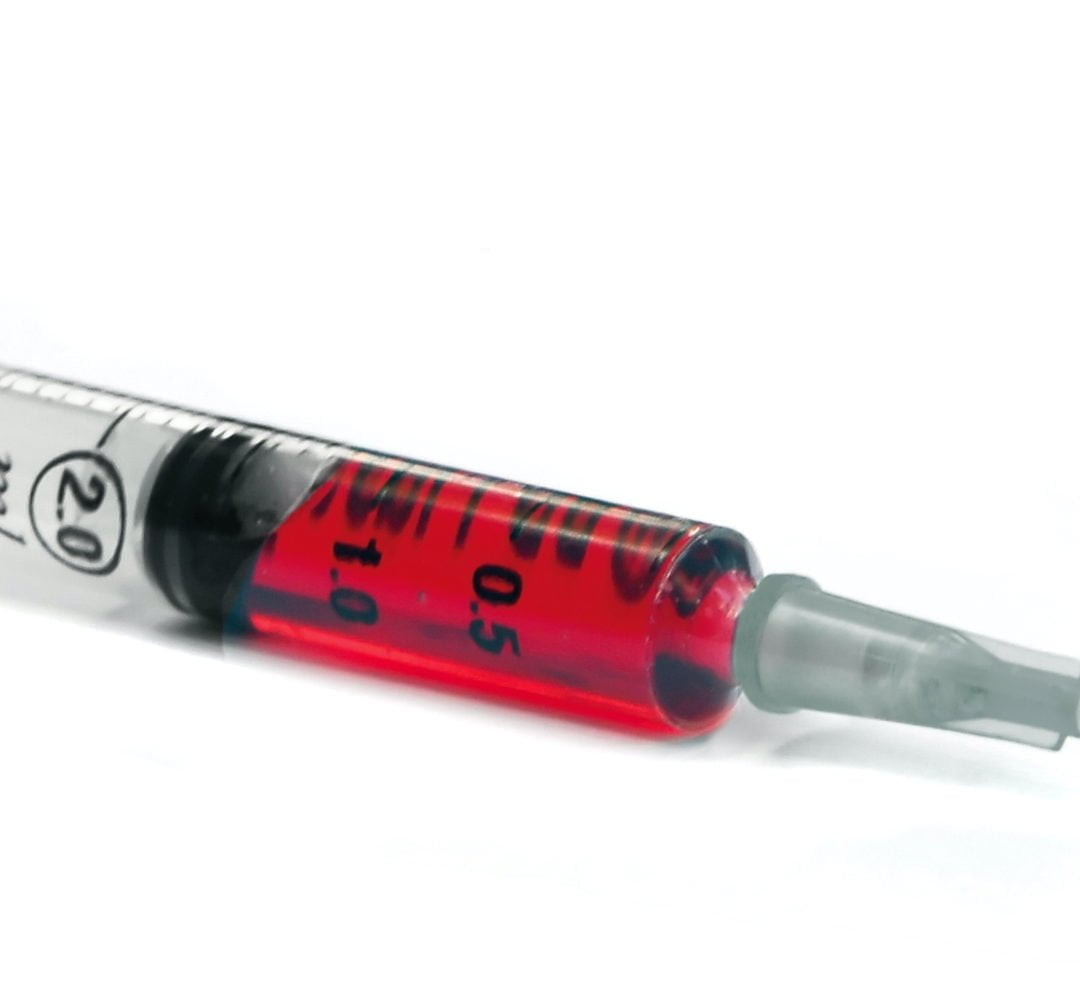
    • We usually start a patient with a twice-a-week dosage regimen. We advise the parents to give it shortly after the child has fallen asleep, in the upper outer quadrant of the buttocks, so that there isn’t disruption from the injection itself, which is quite benign and painless. This negates the need for additives such as lidocaine or expensive protocols that include EMLA cream (to numb the skin). Done in this manner, it is quick and painless for the child and the parent. Sunday and Wednesday dosing helps the child focus and improve for the entire school/therapy week.
    • The dosage is pretty much standard for each child, though depending on the clinical response, we may change the frequency of the injections to maximize improvement or minimize annoying effects (below). Our office provides the parents with a couple of weeks worth of pre-filled syringes, then orders the product monthly through a compounding pharmacy.
  • How long does it take to see an improvement from the Vitamin B12 protocol?
    • We usually tell the parent to look for changes after approxiamtely 4 doses, or a couple of weeks time.
    • More importantly, from our interviews and observations, we try to tell the parents exactly WHAT to look for in EACH child – since they are all so different and individual effects can vary.
    • The therapy can be discontinued at any time without harm to the patient.
  • What are the side effects of B12 injections?
    • I always tell my patients that the main side effect of increased energy is increased energy. It is for this reason that:
      • The patient needs to have yeast and intestinal flora under control first and
      • Aggressive and other disruptive behaviors may become more pronounced when therapy is begun. I have had more than a few parents who felt that the “shots didn’t work” because that was their ONLY autism therapy.
    • A common clinical observation has been that, as the child gains core strength and increased sensation in the oral-motor pathways, oral stims sometimes become more frequent (and alarm the parent that the child is ‘regressing’).
    • Liver, kidney and allergic reactions have been reported with other forms (NOT methylcobalamin) of B12. Because of the low toxicity of vitamin B12, no tolerable upper intake level was set by the Food and Nutrition Board in 1998 when the RDA was revised.
    • There is a certain type of anemia associated with too much B12, and so clearly, a physician should be ordering the medication, and should follow the patient closely for any problems.
    • Some antibiotics may not be absorbed as well when taking B12 externally.
  • How much will it cost?
    • The average overall cost of having a child with ASD is $20,000 to $40,000 extra per year.
    • The cost of the B12 ‘shots’ is approximately $6 per week.
  • How long will the child need to get the subcutaneous injections?
    • On the average, our patients seem to get the best benefits in the first 6 – 9 months of treatment. Some patients have taken this therapy for years, however.

For the correct patient, subcutaneous methylcobalamin is an effective, inexpensive, and safe therapy that can have a significant impact on the child’s ability to take therapy and improve. As with most biomedical treatments, it is most effective when administered under the supervision of an experienced physician.

More here ->

Categories Archives Links Contact Us

Brian D. Udell MD
2751 Executive Park Drive
Suite 201
Weston, FL 33331
Office phone – 954-873-8413
Fax – 954-384-2287

Email bdumd@childdev.org
Website http://www.childdev.org

© Copyright theautismdoctor.com 2010.
All Rights Reserved