Archive for the ‘Sleep’ Category

GERD and Autism

Sunday, May 26th, 2013

Gastro-esophageal reflux (GERD) is a disorder in which the stomach contents slosh back up into the esophagus (tube that goes from the mouth down to the stomach).

When GERD happens in newborns and infants, it may be diagnosed as ‘colic’, it may be ‘silent’, or there may be problems that persist beyond the first few months. There are often a great deal of ‘spit-ups’ that occur, especially after a child is placed in the recommended face-up position. A refluxing neuro-typical child may cough or otherwise note their distress by wiggling or turning. When children start to get thicker formulas or solid foods, their symptoms can diminish and eventually disappear.

When GERD affects a person who has decreased sensitivity to pain, it may present clinically as a behavioral disorder. Affected babies may not smile or pay attention. When the situation occurs in children who are extra-sensitive, the affected baby may cry ‘for no reason’ or scream in excruciating pain. Sleep may be affected. Socialization can become difficult. When liquid refluxes up into the ear canal, infection may ensue. Antibiotics are then certain to follow.

Dr. Arthur Krigsman, a respected gastroenterologist has noted the frequent association between gastric and other symptoms with a condition called eosinophilic esophagitis, indicating inflammation in the area of question. Dr. Krigsman has written, “Reflux is a symptom, not a primary diagnosis—it occurs because something is not going right. If the intestines are unable to move food effectively from the mouth down to the anus, then it comes up as reflux. <<Low>>  motility in the gastrointestinal tract in ASD children is so common that almost all of those I have scoped have some degree of clinical (but not necessarily histologic) reflux.”

A common treatment for this set of signs and symptoms is the prescription medicine Prevacid. This drug is in the category known as proton pump inhibitors. The idea is, if you make less acid, that won’t cause the pain associated with reflux. That implies that it’s the acid that causes the symptoms. Research notwithstanding; heartburn relief is certainly a clinical reality, given the number of GERD remedies that are sold each year. However, PPIs are supposed to address too much stomach acid, which is rarely if ever the formally diagnosed in adults, let alone children.

For pediatric relief, however, a respected multi-center group recently concluded, “This study detected no difference in efficacy between lansoprazole and placebo for symptoms attributed to GERD in infants age 1 to 12 months… lower respiratory tract infections, occurred more frequently with lansoprazole than with placebo.” Get that? Lower respiratory infections occurred MORE frequently with this PPI. Antibiotics are certain to follow, again.

What are we supposed to do about it? A 21st Century workup. The first step is to determine an accurate diagnosis before prescribing non-approved and potentially dangerous medicines. Testing whether antacids are effective is a good start. The diagnosis may be documented with a scope, an x-ray or a probe that checks pH. Then, there is testing for food allergy, which is real, at least in children. Avoidance of highly allergenic substances results in healthier bodies with improved core tone, normal gut flora and fewer aggressive behaviors. For premature infants, we neonatologists often prescribed an old standby called bethanecol, which proved safe and effective. It’s a medicine that promotes increased tone for the muscles leading into the stomach, thus resulting in symptomatic improvement in a much more physiological manner – not by altering the acidity of the contents, but by preventing the occurrence of reflux. Also, probiotics appear to promote a healthier cycle and less G-I problems, from decreased reflux to improved nutrient absorption to relief of diarrhea or constipation.

Who said that it is OK to mess with the acid-base balance of the stomach, and the bacteria that live in our bodies and there won’t be increased and unknown risks to the patient? The bowel-brain connection has been established as an important entity in health for many years. A disruption of that system has created one of the groups of signs and symptoms that we presently call ASD.

There are many new toxins in the 21st Century, and PPIs for infant colic/reflux is one of those new protocols that has caught on without much documentation of long term safety, including checking for associations with ASD. Perhaps it is the GERD, or the colic of unknown cause, or PPIs, or the infant who has low core tone (including the muscles of the diaphragm and esophagus), but it seems that during an epidemic as ubiquitous and devastating as autism, this association is key to our understanding and ability to help.

Melatonin, Autism and Dr. Oz

Tuesday, December 4th, 2012

Mehmet Oz… plays a doctor on TV

I spend a great deal of time and energy convincing my patients to administer melatonin to their autistic children. I wish that parents would admit to more sleep problems, so the natural supplement would get used more often. It helps biorhythms, sleep, REM sleep, memory and mood. There are multiple studies in the literature to demonstrate safety and effectiveness. I have previously documented much of that information, and the children who take it generally improve.

Along comes our friend, Dr. Oz, who recently asked, “What is the most misused sleep aid that people use?” One answer from the audience, “Alcohol.” “That is a very good answer, but it’s not the one I’m looking for,” offered the good doctor. “It’s melatonin.” How does he know that? The only study I could find (pubmed, google scholar) that actually documented this answer:

dimenhydrinate (Dramamine)   21%
acetaminophen (Tylenol)           19%
diphenhydramine (Benadryl)     15%
alcohol                                            13%
herbal products                             11%

Another article listed Nyquil, Sominex, Nytol, Tylenol PM, and Compoz. Why didn’t Mehmet talk about these commonly used products? Maybe because some of them are his sponsors?

So, in the first place, Dr. Oz is just plain wrong. But, let’s see what other important information the professor proffered.

“It affects our sexuality! When are women most likely to desire sex? Summer.” A blog named 88 Strange-But-True Sex Facts omitted that one. Actually, most births occur in September, making winter the most prolific baby-making season. Oops, he’s wrong again.

“Darkness elevates melatonin, and that depresses your sex drive.” Well, even if that were true (couldn’t find the reference), what would that have to do with an autistic child? “One milligram is all you need.” Oz, you are no wizard. Lots of patients report improvements with 3, 5 or even 10 mg. doses. The one accurate thing that he did say was that it should be taken at the same time every day, even weekends.

“Let’s talk about what’s really happening inside the brain.” Then, Dr O and a female audience member wearing a lab coat, put on rubber gloves (looks VERY medical), and use an IV bag with fluorescent green liquid to “demonstrate” what happens. This is simply bad show-and-tell. Mehmet, just because an explanation “makes sense” doesn’t mean that there is a shred of scientific truth.

“Now we’re goin’ to talk about what is wrong with it… don’t want to do things like kill your libido…” (couldn’t find reference). The host then points out that “valerian root, ginseng and GABA are actually effective…” Dude, do you do any fact checking at all? Valerian root contains more than 14 compounds, including phenols and alkaloids that may cause problems in people taking other medications.  Ginseng - The most common side effect is trouble sleeping (insomnia). And, although GABA may be helpful for some, it is poorly documented and I have found that, as a supplement, it produces an excitatory effect in more than a few patients.

This is not medical information, it’s a television show. My advice to Dr. Oz: Stop delivering your opinions as gospel and go back to selling green coffee beans.

Five More Frequently Asked Questions in Autism Treatment

Sunday, November 18th, 2012

Signs and symptoms of ASD are the most common ailments that I treat. Often, autism is the primary diagnosis, but there are many patients who have some other essential problem; either named (e.g. Down Syndrome), descriptive (Congenital hypotonia), or no diagnosis (PDD-NOS), whom I help as well.

I’m not boasting when I write that almost ALL of my patients benefit from treatment, since that is what a doctor should do. Our results are no false prophecy. Better health leads to improved quality of life for patients and their families. When affected individuals achieve a well-functioning G-I system, sounder sleep, softer skin, fewer allergies and less frequent illness, improved behaviors and more communication often follow. Combined with the traditional, proven therapies (including, S&L, ABA, OT, PT and others), their ‘autism’ improves.

Here are some of the most common questions that arise (AFTER we get through Q’s#1&2):

Q: “How much autism does my child have?” or some other variant, including, “He’s very high-functioning.”
A: In our practice, we have four ways to document the diagnosis:
1. Thorough History and Physical examination, including a family interview and review of all previous documentation
2. Accepted objective measuring tools, such as ATEC, or others as provided
3. Video documentation
4. My opinion

After each visit, the family is informed about progress, current skills, challenges and expectations.
As in any other medical condition.

Q: “What can I expect about recovery.” “How soon will we see a change in the child?” “My biggest concern is whether my child will be able to be like other kids and grow up and be able to take care of him or herself. How long will this take?”
A: Whatever the medical condition, including autoimmune conditions such as asthma, eczema or rheumatoid arthritis, it should be the same answer. “We will perform the most appropriate medical tests, then follow the most likely, safe and reasonable interventions based on how the child responds. Age and degree of involvement are important when evaluating response to treatment. To the extent that there is improvement, or at least a change, we will better know the type/degree of difficulties your child has and then that answer will become clearer.

The short answer is, “Let me see how things unfold over the next few months and I’ll be able to give you a better answer.”

Q: “Do you do chelation (administering chemicals by intravenous, oral or rectal routes to remove heavy metals)?
A: Even conventional scientists now agree that the toxic environment is at least as important as genetics as the cause of the increase in autism. While lead and mercury continue to be ubiquitous as neurotoxic agents, the plethora of pollutants – known and unknown – in the air, food and water may have overtaken the ‘common’ offenders as more likely culprits in the epidemic.

The body’s natural antioxidant, glutathione, appears to be a safe, inexpensive and effective way to clean up the mess. The oral preparation that is used in our practice appears to be reasonably well-tolerated and works quite well.

Q: Have you heard about… this or that… new study treatment/supplement that I saw on the Internet?”
A: This specialty is presently fraught with numerous remedies that are merely the anecdotal experiences of non-medical personnel. To be sure, the failure of the medical profession, and pediatric neurology specifically, to adequately and accurately approach the epidemic is one reason why individual research and treatment options have emerged.

Although various treatments appear on the web, the more exotic, experimental and expensive, the more their appeal, but unanswered is their efficacy or true long-term safety. Find a good developmental practitioner and leave most of the research to us.

Q:  My husband (mother, mother-in-law, father, father-in-law, neighbor) thinks that the child is OK, and it’s just how I’m raising him that is the problem. They said that I (my husband, in-law, etc.) was the same way when I was a kid.
A: The first sign of The Plague is a flu-like upper respiratory infection. If it were the year 1300 and you went to the doctor with a cold, he should be thinking The Black Death, not a URI.

It’s 2012. When an infant today presents with Red Flags such as loss of words, problems with eye contact, or repetitive behaviors, we should be doing everything possible for that child to make sure that autism does not develop.

The common thread is my belief that I’m treating a medical condition and therefore the usual workup and course of action applies. We could go all over the world, seeking cures that are unproven, because we believe that medical science has failed. But, having experienced thousands of visits and tens of thousands of patients over 4 decades, I believe that we can still stick to reasonable science.


School Started – How to Help Your Children with Autism and ADHD

Monday, August 20th, 2012

One of our busiest times of the year is October, actually. Four-to-six weeks into the school year, many issues arise which require some sort of attention, or else it feels as if everything is going to fall apart. Focus. Anxiety. Fear. Teachers. Schoolmates. Non-preferred activities. Recess (though, that is usually everybody’s favorite) can be problematic, since that is often pull-out or tutoring time, or bullying can occur. Even lunch can be an issue for the children on special diets.

Sleep, exercise and food – paying attention to these simple activities can make a huge difference in the new semester.

The first activity that often needs to be addressed is sleep. Throughout the summer, the children have gone to bed later and later, and now that schedule needs to be re-aligned. This is no small matter. Who wants to learn a non-preferred subject when they can’t concentrate? For students with a short fuse, lack of REM sleep adds fuel to the explosive power of a meltdown. For those with social issues, the inability to get along is furthered by poor circadian rhythm. There is no area of your child’s development which cannot be improved with a good night’s sleep.

For some patients who are on stimulant medication, parents and professionals might consider changing the timing of the medication so that the child can fall asleep at the desired time. Some children will just unravel by the time school is over and so evenings and homework are a unpleasant chore. Instead of increasing the dose or adding a second medication, it could be prudent to split dosages when possible and determine the best time to get the best results. For patients taking guanfacine or other blood pressure meds, giving the primary dose just after school or at bedtime could be helpful since the sleepiness could be worn off by the morning, but the anti-anxiety effects continue into the school day.

In any case, I have found that melatonin is a wonderful supplement that can get things going in the right direction. Although there is great concern about the hormone (especially on the web), it is safe and effective. Compared to all of the other ‘real’ medications that may have to take, there are rarely any side effects. Vivid dreams may be an indication that the child has not been getting enough REM sleep, so don’t give up if that symptom ensues. One of the most important elements in this strategy is the development of a ‘normal’ daily rhythm by administering the supplement ~ 30 minutes prior to the desired sleep time, every night, including weekends.

Optimizing nutrition for children with developmental challenges is another important factor for a smoother Fall. I write lots of letters asking the school’s assistance by paying attention to students who require special diets. Junk and pre-processed food have been reported to affect neuro-typical children’s school performance and many parents have observed negative effects in their own children. Although it is controversial, many parents report learning and hyperactive problems when their children consume both natural and artificial sweeteners. In my experience with ADHD behaviors, it is the artificial coloring, flavoring and preservatives which can cause even more learning problems.

Proper exercise is the final key element that will help insure a better transition to the school year. The children have so many challenges during the day, then therapies and after-school (usually indoor) activities. Remember when we used to play outside until your mother called you to dinner? Even bouncing on a trampoline for a while can help get the jitters out. Physical activity helps focus during homework, getting sleepy at bedtime and feeling hungry at dinnertime. “There is simply not enough time for exercise,” is not an option. At least find the time to take the children out on weekends.

Appropriate  sleep, food and exercise. It’s not rocket science, but it is an effective strategy that can help your child achieve more success. It’s old advice, but, hey, I’m an old doc.

The Autism Diagnosis I

Monday, March 19th, 2012

Parents take their child to one doctor who says, “He’s a boy, they talk late. Don’t worry.” Another doctor says, “He’s too young to make a specific diagnosis. There’s some speech and language delay (ya think?) and some OCD. Get S&L therapy and everything will be OK.” A third doctor explains to the still-concerned Mom, “It’s PDD-NOS. Let’s wait and see. You can return in 3-6 months.” Such parents arrive at our clinic, still confused, and want to know, “Dr. Udell, what do you think?”

My first thought: Occam’s Razor, often summarized as, “other things being equal, a simpler explanation is better than a more complex one.” One thing that I like about pediatrics is that infants aren’t as complex as adults. There isn’t a lifetime of bad habits, psychological overlays and medical complications. After 60,000 infants or so, one thing that I have concluded is, humans are pretty much born with a single diagnosis – from well-child, to trisomy 21 (Down’s Syndrome), to Congenital Heart Disease. Lots of problems follow, naturally, from non-typical conditions. A practitioner who merely describes ”eczema, developmental delay and sensory issues” is not being very helpful, to say the least. And, at most, those multiple diagnoses are delaying work on the real problems. I feel that, more often than not, a group of symptoms in very young children reflects a single, underlying condition.

Why this is important is because, in pediatrics, perhaps if we search for a single abnormality that explains a more complex picture, we may be more successful in treatment. I actually saw a patient the other day who had a report from a neurologist which stated, “15 month-old male with developmental delay affecting his communication and social skills primarily with… repetitive behaviors.” Um… Doctor, do you have a problem with the “A” word?

Now, let’s talk about autism. It is a 70 year-old diagnosis, coined to describe a childhood condition that was originally offered as a psychiatric explanation for the problems of eleven children in the three domains of social, unusual movements and communication development. The majority of those patients also had G-I symptoms that were significant enough to record. Yet, even today, the diagnosis doesn’t include that group of physical symptoms, including diarrhea, constipation, frequent infections, feeding intolerance and colic, ‘food allergies’ (the old kind, e.g. milk or peanuts), and difficulty with toilet training.

Here’s the irony of it; in his original descriptions, Dr. Kanner (of  the “refrigerator Mom” theory) noted the delay in anticipation of a pull that was noted in even the earliest descriptions of typical childhood development. That represents poor tone and/or poor attention. Even in 1940, that shouldn’t have represented “lack of parental love.” Modern research, which has clearly demonstrated conditions in the brain, the blood, the gut and the immune system, likewise, cannot simply be the result of either a mass increase in a genetic disease or a rash of very poor parenting. Tantrums in autistic patients are often related to the physical symptoms that these nonverbal patients experience. To me, that is the logical conclusion from the combination of symptoms – sometimes with difficulty chewing or swallowing, to GERD, to the many reasons for belly pain, often from food intolerance, down to abnormal poop – accounting for a myriad of downstream behaviors in typical and nonverbal infants and young children. Vitamins and minerals are absorbed and re-absorbed along the way. Bowel flora is altered. Neurotransmitters get affected.  This isn’t merely, “Well, I guess if you fix the diarrhea, you’ve fixed one thing,” as exclaimed by a university psychiatrist with whom I recently conversed. It’s more like, “Hell, yeah. I’ve improved a lifetime of tummy aches, lady!”

Finally, if the ‘alternative’ medical community is on target with this modern definition, then conventional medicine needs to reconsider that, given the present state of knowledge, autism represents a group of medical disorders. Various presentations may include those with primary G-I symptoms, CNS signs or behaviors, combinations, and other non-typically developing conditions. Aperger’s Syndrome, ADHD and PDD-NOS may or may not be part of the presentation, and may or may not be due to the same, as yet undiscovered, etiology of any of these conditions. Autism may include problems with the skin, frequent infections, and the patient’s senses may also appear altered. Sleeping, learning and other issues may be primary or secondary and may interfere with typical development. Being such, treatment of the underlying condition(s), if it(they) can be discovered, may frequently lead to amelioration of many symptoms and lead to better health. Then, professional therapies to encourage neuro-developmental milestones including speech and language and social response will have a greater impact.

Yo, anybody got a problem with that?

The World Wide Autism Web

Tuesday, February 28th, 2012

At the time of this post, there were over 80 million Google pages which answered to a Search request for “Autism”. There were 9 million pages for “Autism Cure”. We can’t cure autism yet; we can treat it, however, quite successfully. Such a point-of-view confers this site a lower listing on that search topic. However, there were 18 million pages for “Autism Doctor” and TheAutismDoctor.com appeared as the first result. I am very proud of that, because it means that people are reading and starting to trust my opinion about this childhood epidemic. My Google rating comes from my readership, not Search Engine Optimization Services.

Somehow, conventional medicine and pediatricians have dropped the ball on this important condition. Where else is a parent going to find information about their child’s condition, especially when professionals appear so clueless?” I just read about … fill in the topic… on the Internet and I wanted to know what you think,” is one of the most commonly asked questions in my practice at The Child Development Center of America. This article will cover what I consider to be the good, the bad and the ugly when it comes to the ‘net and ASD:

The Good:

I get to treat patients from all over the world. Are you kidding me? This is the greatest honor that any doc could ever have. So, that’s a plus.

Getting important information out to the public so efficiently couldn’t be accomplished before the Internet. There’d be no ‘TheAutismDoctor.com’!

The web contains a great deal of important and correct information about ASD. Especially when confronted by pediatricians who continue to exclaim, “He’s a boy (premie, like-his-Dad, only-child, spoiled-by-grandma, etc.)… they talk late,” the www helps parents who remain concerned about their child’s development. The diagnosis of autism is often reached by searching for answers about why your child lacks eye contact, or has lost words, or “doesn’t play like the other kids.”

Also, this is my way of venting my frustration about ASD (have I said ‘epidemic’ too many times?); a modern medical condition which has profound effects upon families, patients, and our educational and healthcare resources – present and future. This method of communication adds to the body of clinical experience by reporting how children change and develop with various interventions. Evaluating those 80 million of pages can best be done by a real doctor, however.

The Bad:

Misinformation is rampant. There are treatment protocols that could harm your child, have not been adequately evaluated, or lack reliable data. There are therapies that could deplete your resources at the expense of treatments that have been proven to help your affected child.

All information appears equal at this i-level. Just ’cause a person learns about architecture doesn’t make them an architect. I have previously admitted that the traditional pediatric community seems to share a large part of the blame by not listening to parents and exhibiting a lack of intellectual curiosity that this problem demands. Once a parent finds a trusted physician, protocols are best handled at that level of expertise. “Can’t you do treatments every 3 weeks instead of every 2?” seems a silly question for a cancer specialist, right? ASD is a mystery that has only a few really successful interventions. If a patient is going through several therapeutic interventions at the same time, it is really rolling the dice as far as what outcomes you should expect.

All parents want more. Just like for neuro-typical kids, you want more communication, academic achievement, maturity, friends, etc. Amid a myriad of valid, but conflicting information that awaits more thorough research, there are many websites promising miraculous and instantaneous symptom reversal with nearly-scientific explanations and elaborate video testimonials from actual parents. Furthermore, the more that the treatment seems to cost, from thousands-to-tens of thousands per treatment – the more it entices serious consideration by some couples. OK, doctors have been wrong about some stuff. But we’re not all ignorant about childhood development and physiology.

The Ugly

I got hacked recently! Even my little blog that is just trying to disseminate the truth. The user doesn’t need to provide an email address or fill in a survey, and no money is exchanged. There are no advertisements. Who would want to disturb this outlet? Anyway, I purchased a virus checker and an infection cleaner and changed all of my passwords to encrypted terms that I’ll never remember… so that I will have to keep hitting “forgot password” and wait for that email that tells me that it’s OK to access my own information. Which, apparently, someone in Russia is able to do! But, I’ve digressed…

On the ‘www’, therapies that are unwarranted because of risk, cost, or efficacy appear equal to more sustainable treatment protocols. If I may offer a bit of old-pediatrician advice: that risk thing… you gotta take it into account, and not just say, “I’ll do anything for my child!” The ability for the dishonest to seek out desperate families is greatly aided by web capabilities. People who are maybe even well meaning, or have helped another child with some other treatment protocol. Plus, perhaps it worked or perhaps it didn’t because you didn’t see / examine that child when a diagnosis was made. So, that’s basically the lowest level of information (scientifically) that you want to evaluate. It’s not invalid, it’s just not YOUR kid.

The scrutiny with which a parent considers the information that is presented by multiple sources of information, including their (regular) pediatrician, their (conventional) specialist, therapists, the child’s grandparents, teachers, books, publications, conferences, research and the web need to be included in order to arrive at the most helpful experience for your child.

Old Autism Tales

Sunday, February 12th, 2012

Recently, a very caring, observant and apparently well-read Mom who is “only interested in ‘natural’ therapies” for her moderate-to-severely affected 10 year-old son asked, “What about focalin?” Um, that’s not exactly a homeopathic remedy. Likewise, I spend a great deal of time counseling other parents about the safety of a particular therapy, as opposed to the terrible stories that they have encountered on the web. So, I have put together a list of my top autism tales… stories which appear and get quoted and re-quoted until they become issues for my practice, as far teaching families the truth, not made-up fairy tales.

10. When he/she gets hungry enough, the child will eat (a particular food, or enough food).  Neighbors, grandparents and other family members often offer this advice.  This is not true for autistic children. They will starve before they eat that crunchy (or mushy, or smelly, or whatever) stuff sitting on their plate. First, fix their autism, then we’ll get the picky diet worked out.

9. If you give melatonin, the brain won’t make any. There are lots of melatonin myths. I addressed them in a previous blog.

8. “I know that ‘x-y-z’ fact is true, because it was written by a doctor.” First, I have found that many of the stories that parents provide are not written by a doctor at all. If you are going to really consider a therapy for your child, especially an invasive one, you ought to get a sound scientific opinion. Just because doctors have been wrong about ASD, doesn’t mean everything that we say is incorrect. More importantly, the Internet is rife with misinformation that needs to be evaluated. In this blog, I try to be careful about my medical citations when I make an important point. As I have written in another blog, I may read all that I can about plumbing, but you don’t want me fixing your toilet.

7. “Sugary foods cause yeast in the gut.” I have a previous post about this one, also, but it bears repeating. Simple sugars are handled by insulin in the blood. Slightly more complex sugars like sucrose are broken down into simple sugars in the stomach with acid and water. Complex carbohydrates, undigested food and bad bacterial overgrowth are the problem, since the slow breakdown creates a substrate for fungal growth. Similarly, yeast in foods does not promote yeast, as long as the patient is not allergic to it and it gets digested. When you eat a mushroom, you won’t grow the fungus in your intestines.

6. “Children mainly seek the foods to which they are most allergic.” Although it often appears that way, it’s not necessarily true. Lots of children are quite allergic to stuff that they have never seen – like garlic or brewer’s yeast, for example. The point about autism is that the patient has become allergic to crazy things in the environment and so the body creates antibodies against foods to which they haven’t ever been exposed. The converse also appears to be true; as we improve the child’s general health, everything that they are sensitive to improves, including foods that they now consume in great quantities.

5. “The child is ‘stimming’ because of…” – anger, frustration, anxiety, fear, desire, happiness, etc. The reason that a patient ‘stims’ is because the hard wiring in their brain is not the same as in neuro-typical people. The affected child’s narrow range of expressive behaviors gets manifest as a repetitive movement that may or may not represent what they are truly feeling. I had one young man who ran screaming toward the TV when SpongeBob was on. “He’s afraid of SpongeBob,” explained the Mom. If he were really afraid of the cartoon character, why wasn’t he running away from the screen? One of our parents said that she thinks that her kid’s ‘stims’ occur “whenever he is bored. So I make him empty the dryer.” That sounds like a good idea.

4. “I don’t have to worry about my child escaping because… he’s never done it before… the doors are all secure… he would be afraid to leave… someone is always watching her.” Roughly half of children with ASD between the ages of 4 and 10 attempt to elope. This rate is nearly four times higher than for the children’s unaffected siblings. Of children with ASD who attempted to elope, ~1/2 succeeded, 2/3 had a close call with traffic and 1/3 had an issue with water safety.

3. “I know he can do that… (say “Daddy”, point to an object, behave properly) ’cause he does it when he wants to!” That’s what makes the child normal. As patients improve, they are able to perform tasks because they are getting better wiring and so the activity becomes second nature, instead of it being a major chore for the poor kid.

2. Homeopathic remedies won’t harm my child. There are plenty of chemicals in many non-FDA approved formulations. Just because you don’t need a prescription, it doesn’t mean that a) the stuff is safe or b) it will or won’t work. It would be preferable to do all of your care under the umbrella of a good, caring, competent doctor.

1. My doctor said that all of this biomedical is a bunch of hooey so that the DAN! doctors can make more money as they prey on helpless families. Parents of autistic children are left with a great deal of responsibility which requires research, treatment, therapy, trips to various specialists, loss of personal time, and tons of money. If the traditional medical community even did a half-decent job of listening and helping understand this epidemic, there wouldn’t be a cottage alternative medicine industry.

Melatonin for Autism

Sunday, September 25th, 2011

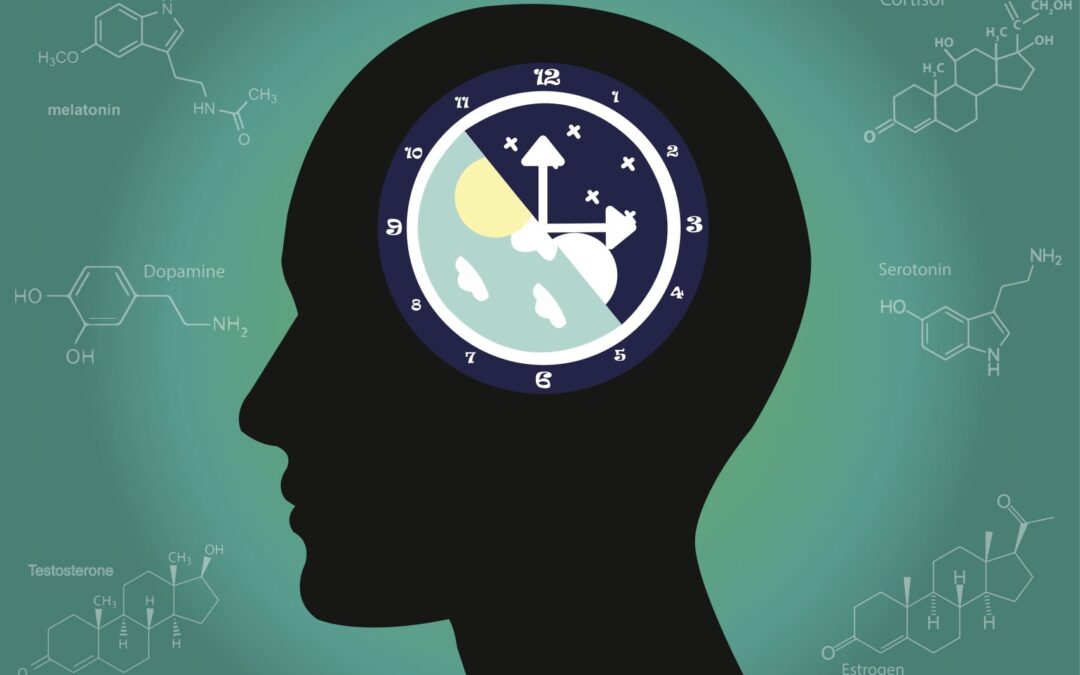
Pineal Gland - Where Melatonin is Produced

Of all the biomedical autism treatments, oral melatonin is one of the safest, most effective and least expensive. How is it that parents are so reluctant to take advantage of such a ‘natural’ therapy for their affected children?

“It’s a hormone.” Hormones are our body’s chemical messengers, and there are many. Insulin is a hormone that regulates the breakdown and distribution of carbohydrates. It appears that, in many of the versions of autism that I see in my practice, the body isn’t producing one or any number of hormones. For example, adrenaline is another hormone. Children who exhibit continuous signs and symptoms of ‘fight-or-flight’ appear to have too much adrenalin. Could ‘eczema’, which is common in ASD patients, be due to hormones? Steroids (another hormone) are often an effective therapy for that skin condition. Oxytocin (the so-called ‘love hormone’), which helps the uterus contract, is said to be low in ASD children, and is being evaluated for improvement in eye contact (and has engendered a cottage industry).

Even though pediatricians often fail to inquire about nighttime problems after infancy, sleep disturbances are the most common hormone-controlled activity that I document. So, it appears that melatonin malfunctions may be one of the most treatable conditions in autism. Research has shown that autistic children sleep less than their neuro-typical peers, and even those that DO sleep for an adequate period of time spend less time in REM sleep, which, among other benefits, is the mind’s time to cement the experiences of the previous day. Can your (verbal) child express what happened the day before?

My point is: there are very few medical interventions for ASD that really FIX an abnormality – most are ‘band-aids’ that address one or more symptoms. I believe that the evidence shows that nearly every autistic individual may get improvement from melatonin.

“I don’t want my child to get addicted to the medication.” Get real. Compared to most of the other treatments that parents are asked to foist on their affected child, this is a no-brainer. You can stop it anytime. More importantly, you should see melatonin as a valuable, proven biomedical intervention that doesn’t require professional evaluation and has reliable results. Are arthritis patients addicted to aspirin, or does the medication represent a valuable tool to control their autoimmune condition? By the way, melatonin is also a strong anti-oxidant and it aids the immune system.

“I heard that if you give melatonin, your body will not make it and so the problem will continue.” Who said? There are feedback loops to certain hormones, such as testosterone or estrogen. But melatonin is produced in the pineal gland – in the very center of our brains – and plays a key role in the body’s circadian rhythm. Regulation has to do with light exposure, sleep deprivation, time-zone variations and state of health.

“There’s a lot of bad stuff written about it on the Internet.” So what? You want potential problems, read about valerian root, which is also given for sleep disturbances. It’s not a hormone, but it contains more than seventeen different psychoactive substances. Many people consider ‘natural’ remedies to be safe. However, I have seen patients who exhibited negative reactions to many of its ingredients. Melatonin therapy is one of the best researched and most effective treatments of ASD that is available at this time.

“My child gets to sleep OK, but he wakes up in the middle of the night.” Yeah, definitely a problem. Here’s where a DAN! doctor can help, because of our experience with so many patients. Often, a dosage increase is successful. The long-acting preparations are effective, as well.  Sometimes, extra oral tryptophan, an amino acid supplement and precursor of melatonin, feels like a safe way to increase the child’s level when problems continue. Prescription medications are rarely required and then only as a last resort.

“Where does it come from?” Melatonin supplements are either synthetic or natural. They are chemically identical to the melatonin that is produced by the human body. Some people think that using the natural melatonin, typically made from the pineal glands of animals such as sheep, carries a greater risk of being contaminated by a virus. Therefore, the synthetic version is the most recommended and most popular form of melatonin.

“When / how do you give it?” I usually start with 1 to 3 mg. of the oral liquid given 1/2 hour prior to the desired bedtime. Carefully increasing the dose is recommended until the child displays a sufficient response – a good night’s sleep after a short latency (the time it takes to get to sleep). The most important thing, however, is to administer the medication EXACTLY the same time every night. The goal is not only adequate rest, but a more reliable daily bio-rhythm. Giving this supplement only “as needed” will pretty much assure that it won’t be an effective ASD therapy.

“What are the side effects?” Sometimes, at the onset of this therapy, there is actually a sleep disturbance characterized by apparently vivid dreams. I think of it as similar to a neuro-typical person who suffers from sleep deprivation, who subsequently suffers nightmares and the like. Also, there are previously toilet-trained children who experience nighttime bedwetting. I’m not sure if they are just undergoing some well-needed deep sleep, are detoxifying their systems, or it’s just peculiar to certain autistic individuals. Too much melatonin can produce sleepiness during daytime, feeling dizzy and getting headaches. Also, there are some drug interactions and medical conditions which could affect melatonin usage, so please check with your doctor and tell him or her if you are giving your child this therapy.

Did you ever get out of bed after a poor night of sleep and feel ready to seize the day? Perhaps you became cranky, had problems focusing or over-reacted to otherwise innocent remarks? Oh, and by the way, if your child sleeps better, so will you, and EVERYBODY’S stress level will be lowered.

Categories Archives Links Contact Us

Brian D. Udell MD
2751 Executive Park Drive
Suite 201
Weston, FL 33331
Office phone – 954-873-8413
Fax – 954-384-2287

Email bdumd@childdev.org
Website http://www.childdev.org

© Copyright theautismdoctor.com 2010.
All Rights Reserved